

This article contains Amazon affiliate links. If you purchase through them, CookAids - Your Ultimate Kitchen Assistant earns a small commission at no extra cost to you.
How to Make Restaurant-Quality Stock From Kitchen Scraps in 2 Hours (The Ultimate Guide for Home Cooks)
Making restaurant-quality stock from kitchen scraps is an efficient and flavorful way to elevate your home cooking, transforming discarded vegetable trimmings and meat bones into a rich, aromatic liquid gold. This foundational ingredient adds depth and complexity to countless dishes, from soups and sauces to risottos and braises, far surpassing the flavor profile of store-bought alternatives. By utilizing what would otherwise be wasted, home cooks can achieve superior culinary results while also practicing sustainable kitchen habits, all within a surprisingly short timeframe.
Table of Contents
- The Unsung Hero: Why Homemade Stock Matters
- Gathering Your Gold: Essential Scraps and Ingredients
- The 2-Hour Stock Method: A Step-by-Step Guide
- Mastering the Nuances: Tips for Perfect Stock Every Time
- Troubleshooting Common Stock Mistakes
- Beyond the Basic: Variations and Creative Uses
- The CookAids Stock-Making Checklist
The Unsung Hero: Why Homemade Stock Matters
In the world of home cooking, few ingredients possess the transformative power of a truly great stock. Often relegated to the background, stock is the silent workhorse that elevates good dishes to extraordinary ones. While store-bought broths offer convenience, they rarely deliver the depth, complexity, and nutritional benefits of a homemade version. This section explores why investing a little time in making your own stock is one of the most impactful culinary decisions you can make.
Beyond the Box: Flavor and Nutrition
The primary reason to make your own stock is, unequivocally, flavor. Commercial stocks and broths often rely on artificial flavors, excessive sodium, and limited actual ingredient content. They taste flat, one-dimensional, and often metallic. Homemade stock, especially when made from roasted bones and fresh vegetable scraps, develops a rich, savory, and nuanced profile that simply cannot be replicated by a carton. The slow extraction of collagen from bones creates a gelatinous texture when chilled, a hallmark of quality stock that coats the mouth and adds body to dishes. This gelatin also contributes to a feeling of satiety and can be beneficial for gut health.
Beyond flavor, homemade stock is a nutritional powerhouse. Bone broth, in particular, is celebrated for its amino acids, minerals (like calcium, magnesium, and phosphorus), and collagen. While the exact health benefits are still being researched, many home cooks and nutritionists attest to its positive impact on joint health, skin elasticity, and digestion. By controlling the ingredients, you also avoid unwanted additives, preservatives, and excessive sodium found in many commercial products. This control is crucial for those managing dietary restrictions or simply seeking cleaner eating.
The Economic and Eco-Friendly Advantage
Making stock from kitchen scraps is a masterclass in culinary sustainability and frugality. Think about all the vegetable trimmings that usually end up in the compost bin: onion skins, carrot peels, celery ends, mushroom stems. And what about the bones from a roasted chicken or a Sunday roast? These are not waste; they are valuable flavor assets. By collecting and freezing these scraps, you turn potential garbage into liquid gold, significantly reducing food waste and saving money on expensive store-bought alternatives.
The cost of a high-quality store-bought stock can quickly add up, especially if you cook frequently. A large batch of homemade stock, made from ingredients you would otherwise discard, costs pennies on the dollar. This economic benefit, combined with the environmental advantage of reducing waste, makes homemade stock a win-win for any conscious home cook. It’s a tangible way to practice a "nose-to-tail" or "root-to-stem" philosophy in your own kitchen, maximizing the value of every ingredient.
Demystifying the "Restaurant Quality" Myth
Many home cooks are intimidated by the idea of "restaurant-quality" stock, imagining hours of simmering, complex techniques, and specialized equipment. The truth is, the fundamental principles are simple, and with a few key techniques, you can achieve professional results in your home kitchen, often in less time than you think. The "secret" to restaurant stock often lies in two main areas: roasting the bones and vegetables for deep flavor, and maintaining a gentle simmer for optimal extraction without cloudiness.
This guide will show you how to incorporate these professional techniques into a manageable 2-hour process. You don't need a massive stockpot or a commercial kitchen; a good quality home pot and a little attention are all that's required. The goal isn't to replicate a Michelin-star kitchen, but to empower you to create a superior product that will elevate your everyday meals, making them taste richer, deeper, and more satisfying. Once you experience the difference, you'll wonder how you ever cooked without it.
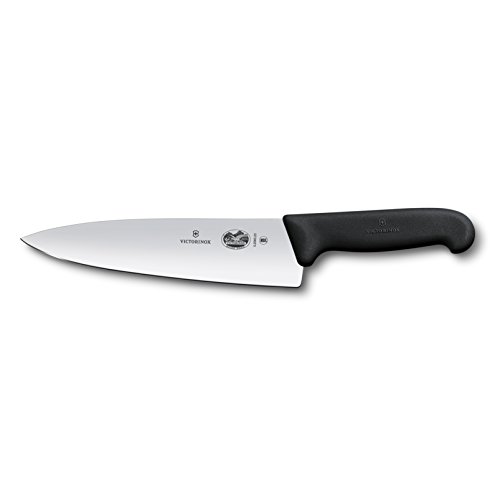
Recommended Tool: Victorinox Fibrox Pro 8" Chef's Knife This incredibly sharp and durable knife is a workhorse in the kitchen, perfect for efficiently chopping vegetables for your stock or any other prep task. [Shop on Amazon: https://www.amazon.com/dp/B000638D32?tag=seperts-20]
Gathering Your Gold: Essential Scraps and Ingredients
The foundation of any great stock lies in its ingredients. While the beauty of making stock from scraps is its flexibility, understanding which scraps contribute the most flavor and body is key to achieving that coveted "restaurant quality." This section details the best bones, vegetable trimmings, and aromatics to collect for your stock-making endeavors.
The Best Bones for Flavor and Body
For meat-based stocks (chicken, beef, pork, or a combination), bones are paramount. They provide the collagen for body and gelatin, as well as deep, savory flavors.
- Chicken Bones: The most common and versatile. Save carcasses from roasted chickens, wing tips, neck bones, and even raw chicken backs. Roasting these beforehand is crucial for a rich, golden stock. A single roasted chicken carcass can yield excellent stock, but combining 2-3 carcasses or adding extra raw backs will create a more robust flavor and thicker body.
- Beef Bones: For a rich, dark beef stock, opt for marrow bones (femur bones), knuckle bones, and oxtail. These are packed with collagen and flavor. Beef bones almost always require roasting to develop their deep, caramelized notes. Ask your butcher for "soup bones" or "marrow bones."
- Pork Bones: Less common but excellent for specific applications. Pork neck bones or rib bones (after the meat has been removed) can create a flavorful, slightly sweeter stock, especially good for Asian-inspired dishes.
- Fish Bones: For fish stock (fumet), use non-oily white fish bones and heads (gills removed). This is a quick-cooking stock, usually done in 30-45 minutes, and doesn't typically involve roasting. Avoid oily fish like salmon or mackerel, as they can make the stock taste bitter or fishy.
Storage Tip: Keep a large freezer-safe bag or container specifically for bones. As you accumulate them from meals, simply toss them in the freezer until you have enough for a batch of stock (typically 2-3 pounds for a medium pot).
Vegetable Trimmings: The Aromatic Foundation
Vegetable scraps provide the essential aromatic base for your stock. Think of them as the "mirepoix" of the scrap world.
- Onions: Onion skins (especially outer layers), root ends, and any bruised or leftover pieces. The skins contribute a beautiful golden color. Avoid green onions, as they can impart an off-flavor when simmered for a long time.
- Carrots: Carrot peels, root ends, and any small, leftover pieces. These add sweetness and color.
- Celery: Celery ends, leaves, and any stalks that are too tough or stringy for eating. Celery leaves are particularly flavorful.
- Garlic: Papery skins, root ends, and any cloves that are sprouting or slightly past their prime.
- Mushroom Stems: These are flavor bombs, adding deep umami notes. Save them from any mushrooms you cook with.
- Parsley Stems: Often discarded, parsley stems are full of fresh, herbaceous flavor.
- Leek Greens: The dark green parts of leeks are too tough for most dishes but excellent for stock, adding a mild oniony flavor. Ensure they are thoroughly washed to remove any grit.
Vegetables to AVOID:
- Cruciferous Vegetables: Broccoli, cauliflower, cabbage, Brussels sprouts. These can make your stock bitter and give it an unpleasant aroma when simmered for extended periods.
- Starchy Vegetables: Potatoes, sweet potatoes. They can make the stock cloudy and starchy.
- Beets: Will turn your stock an unappetizing color.
Storage Tip: Like bones, keep a dedicated freezer bag for vegetable scraps. When it's full, you're ready to make stock.
Aromatics and Seasonings: The Flavor Boosters
While scraps form the bulk, a few fresh aromatics and seasonings are crucial for rounding out the flavor profile.
- Fresh Herbs: A few sprigs of fresh thyme, rosemary, or a bay leaf can add wonderful complexity. Avoid dried, powdered herbs as they can make the stock taste dusty.
- Whole Peppercorns: A teaspoon or two of whole black peppercorns adds a subtle warmth and spice without making the stock overtly peppery.
- Salt: Add salt judiciously, if at all, during the cooking process. It's often better to season your final dish with the stock, as reducing a salted stock can make it overly salty.
- Tomato Paste (for beef stock): A tablespoon or two of tomato paste, roasted with the bones, adds a rich umami depth and beautiful color to beef stock.
- Apple Cider Vinegar (optional): A splash (1-2 tablespoons) of apple cider vinegar can help extract more minerals from the bones, though its impact on flavor is minimal in the final product.
By carefully selecting and storing your scraps, you're not just reducing waste; you're actively building a pantry of flavor that will transform your cooking.
The 2-Hour Stock Method: A Step-by-Step Guide
Achieving restaurant-quality stock in just two hours might seem ambitious, but by focusing on high-impact techniques like roasting and proper simmering, it's entirely achievable. This method prioritizes flavor extraction and clarity, delivering a rich, versatile stock without an all-day commitment.
Step 1 of 6: Roasting for Depth (The Secret Weapon)
This is the single most important step for developing deep, complex flavors, especially for chicken and beef stock. Roasting caramelizes the bones and vegetables, creating maillard reactions that translate into rich, savory notes in your finished stock.
- Preparation: Preheat your oven to 400°F (200°C). Spread your accumulated bones (chicken carcasses, beef marrow bones, etc.) and any larger, firmer vegetable scraps (like whole onions, large carrot pieces, leek greens) on a sturdy baking sheet. If making beef stock, you can also spread 1-2 tablespoons of tomato paste over the bones.
- Roasting Time: Roast for 30-45 minutes, or until the bones are deeply browned and the vegetables are softened and caramelized. Don't be afraid of a good char – that's where the flavor lives. For chicken, ensure the bones are golden brown. For beef, aim for a dark, rich mahogany color.
- Why it works: Roasting isn't just about color; it's about flavor transformation. The high heat breaks down proteins and sugars, creating hundreds of new flavor compounds that are water-soluble and will infuse into your stock. This step alone distinguishes homemade stock from bland, unroasted versions.
Step 2 of 6: Sautéing Aromatics
While the bones are roasting, prepare your aromatics. This step builds another layer of flavor.
- Heat the Pot: Place a large stockpot (8-12 quart capacity is ideal) over medium-high heat. Add 1-2 tablespoons of a neutral oil (like canola or grapeseed).
- Sauté: Add your softer vegetable scraps (carrot peels, celery ends, mushroom stems, garlic skins, parsley stems) and any fresh aromatics like chopped onions or carrots that weren't roasted. Sauté for 5-7 minutes, stirring occasionally, until they soften and become fragrant. You want them to release their aromatic compounds, but not necessarily to deeply brown.
- Why it works: Sautéing gently cooks the aromatics, mellowing their raw edge and concentrating their flavors before they're submerged in liquid. This creates a more balanced and nuanced aromatic base for your stock.
Step 3 of 6: Deglazing the Pan
Once the bones are roasted, transfer them from the baking sheet to your stockpot with the sautéed aromatics. The dark, sticky bits left on the baking sheet are pure flavor.
- Deglaze: Pour about 1 cup of water or white wine onto the hot roasting pan. Use a sturdy metal spatula or wooden spoon to scrape up all the browned bits (fond) stuck to the bottom. This "fond" is packed with concentrated flavor.
- Add to Pot: Pour this flavorful liquid into your stockpot.
- Why it works: Deglazing captures all the caramelized goodness from the roasting pan, ensuring no flavor is left behind. This concentrated essence is a critical contributor to the "restaurant quality" of your stock.
Step 4 of 6: Simmering for Flavor Extraction
Now it's time to combine everything and begin the gentle extraction process.
- Combine: Add all the roasted bones, deglazed liquid, sautéed aromatics, and any remaining fresh herbs (thyme, bay leaf) and whole peppercorns to the stockpot.
- Add Water: Cover the ingredients with cold water by about 2-3 inches. Using cold water is important because it allows for a gradual heating process, which helps to slowly dissolve impurities and extract flavors more efficiently, resulting in a clearer stock.
- Bring to a Simmer: Bring the pot slowly to a bare simmer over medium-high heat. As soon as you see small bubbles breaking the surface, reduce the heat to low.
- Gentle Simmer: Maintain a very gentle simmer for 1.5 hours. The surface should barely ripple, with just an occasional bubble breaking. Avoid a rolling boil, as this can emulsify fats, make the stock cloudy, and extract bitter flavors.
- Why it works: A gentle simmer is crucial. It allows for the slow, steady extraction of collagen, minerals, and flavors from the bones and vegetables without agitating the ingredients too much. This controlled heat ensures a clear, flavorful, and gelatinous stock.
Step 5 of 6: Straining and Clarifying
Once your 1.5 hours of simmering are complete, it's time to separate the liquid gold from the spent solids.
- Initial Strain: Carefully remove the larger bones and vegetable pieces with a slotted spoon or tongs. Discard them (or compost the vegetables).
- Fine Strain: Place a fine-mesh sieve or colander lined with cheesecloth over a large heatproof bowl or another clean pot. Slowly pour the stock through the sieve. Do not press on the solids in the sieve, as this can force impurities through and make your stock cloudy. Let gravity do the work.
- Why it works: This two-step straining process ensures a clear, clean stock, free of any small particles or sediment that could affect its texture or appearance. A clear stock is a hallmark of professional quality.
Step 6 of 6: Cooling and Storing
Proper cooling and storage are essential for food safety and maintaining the quality of your homemade stock.
- Rapid Cooling: This is critical to prevent bacterial growth. The safest way to cool stock quickly is to place the pot (uncovered) into an ice bath in your sink. Stir the stock occasionally to help it cool evenly. Alternatively, divide the hot stock into smaller, shallow containers, which will cool faster than one large pot. Aim to cool the stock from cooking temperature to below 40°F (4°C) within 2 hours.
- Refrigerate: Once completely cool, transfer the stock to airtight containers. It will keep in the refrigerator for 3-4 days. You'll notice a layer of fat solidify on top, which acts as a natural seal, further preserving the stock and making it easy to remove if desired.
- Freeze: For longer storage, freeze the stock. Ice cube trays are excellent for portioning small amounts (e.g., 1/4 cup or 1/2 cup) for sauces or quick additions. Once frozen, pop the cubes into a freezer-safe bag. Larger portions can be frozen in freezer-safe containers or bags. Frozen stock will last for 3-6 months.
- Why it works: Rapid cooling prevents the "danger zone" where bacteria multiply quickly. Proper storage ensures your hard work doesn't go to waste and that you always have high-quality stock on hand for your culinary needs.
Recommended Tool: OXO Good Grips Kitchen Scale While stock-making is forgiving, precise measurements for ingredients like salt or specific aromatics can be helpful. This scale is also invaluable for baking and portioning. [Shop on Amazon: https://www.amazon.com/dp/B079LVNB3X?tag=seperts-20]
Mastering the Nuances: Tips for Perfect Stock Every Time
While the step-by-step guide covers the core process, a few nuanced techniques can elevate your stock from good to truly exceptional. These are the details that professional kitchens obsess over, and they are easily adaptable for the home cook.
The Skimming Imperative: Clarity and Clean Flavor
One of the most common issues with homemade stock is cloudiness or an oily mouthfeel. Regular skimming during the simmering process is your best defense against this.
- Initial Scum: As your stock slowly comes to a simmer, proteins and impurities will coagulate and rise to the surface, forming a foamy "scum." This is normal. Use a ladle or a large spoon to gently skim off and discard this foam. Do this diligently for the first 20-30 minutes of simmering.
- Fat Skimming: Throughout the simmer, and especially towards the end, fat will also rise to the surface. While some fat adds flavor, too much can make the stock greasy. Skim off excess fat as it accumulates. If you miss some during cooking, don't worry – it will solidify when chilled and can be easily removed then.
- Why it works: Skimming removes impurities that would otherwise emulsify into the stock, making it cloudy and potentially imparting off-flavors. It also prevents excess fat from making the stock feel heavy or greasy, ensuring a clean, pure flavor profile.
The Right Pot and Heat Management
The vessel you use and how you manage the heat are more important than many home cooks realize.
- Pot Size: Use a pot that is large enough to comfortably hold all your ingredients and water, allowing for at least 2-3 inches of headspace. An 8-12 quart stockpot is ideal for most home batches. A wider pot will allow for more evaporation and potentially a more concentrated flavor in a shorter time, but also requires more diligent monitoring of water levels.
- Heavy Bottom: A heavy-bottomed pot (like stainless steel or enameled cast iron) distributes heat more evenly, preventing scorching on the bottom and ensuring a more consistent simmer.
- Consistent Simmer: As emphasized in the method, a gentle, consistent simmer is key. Too low, and you won't extract enough flavor. Too high, and you risk cloudiness, bitterness, and rapid evaporation. The ideal simmer involves barely perceptible movement on the surface, with small bubbles occasionally breaking. Adjust your burner heat as needed to maintain this.
- Why it works: The right pot and careful heat management ensure efficient flavor extraction without detrimental effects. A consistent simmer prevents the violent agitation that breaks down solids and emulsifies fats, leading to a clearer, cleaner, and more flavorful stock.
Seasoning Smartly: When and How Much
Seasoning stock can be a point of contention. The general rule for professional-level stock is to season minimally, if at all, during the cooking process.
- Minimal Salt: When making stock, you are creating a foundational ingredient. If you heavily salt the stock, and then later reduce it (for a sauce, for example), it can become incredibly salty and unusable. It's almost always better to add little to no salt during the simmering phase.
- Taste Test: If you must add salt, add a very small amount (e.g., 1/2 teaspoon for a large pot) towards the end of the simmering process, just to gauge the overall flavor profile. Remember, you can always add more salt to the final dish, but you can't take it out.
- Peppercorns: Whole black peppercorns are fine to add at the beginning, as their flavor is subtle and doesn't become overwhelming. Avoid ground pepper, which can make the stock cloudy.
- Why it works: By keeping the stock minimally seasoned, you maintain its versatility. You can use it in a wide array of dishes, from delicate soups to rich braises, and adjust the seasoning to suit each specific recipe without worrying about over-salting. This flexibility is a hallmark of a truly useful, high-quality stock.
Troubleshooting Common Stock Mistakes
Even with the best intentions, stock-making can sometimes present challenges. Knowing how to identify and rectify common issues can save a batch from being discarded and improve your skills for future endeavors.
Cloudy Stock: Causes and Cures
Cloudy stock is a common frustration, but it's usually preventable or fixable.
- Causes:
- Rolling Boil: The most frequent culprit. Boiling too vigorously emulsifies fats and breaks down solids, releasing fine particles into the liquid.
- Pressing Solids: Squeezing the solids when straining can push fine particles through the sieve.
- Insufficient Skimming: Not removing the initial scum and excess fat.
- Adding Hot Water: Adding hot water to the pot instead of cold can shock the ingredients and release impurities too quickly.
- Cures (for already cloudy stock):
- Re-strain: Pass the stock through several layers of cheesecloth or a coffee filter. This won't make it perfectly clear but will improve it.
- Egg White Raft (Clarification): This is a classic chef's trick for consommé, but can be adapted for slightly cloudy stock. Whisk 2-3 egg whites until frothy. Gently stir them into the cold stock. Slowly bring the stock to a bare simmer. As the egg whites cook, they will form a "raft" on the surface, trapping impurities. Simmer gently for 10-15 minutes, then carefully strain the stock through a fine-mesh sieve lined with cheesecloth without disturbing the raft. This method is more time-consuming but highly effective.
- Prevention: Always start with cold water, maintain a gentle simmer, skim diligently, and strain without pressing the solids.
Lackluster Flavor: Boosting the Umami
A bland stock is disappointing. If your stock lacks depth, consider these factors and solutions.
- Causes:
- Not Roasting: Skipping the roasting step for bones and some vegetables is the biggest reason for weak flavor.
- Insufficient Ingredients: Not enough bones or aromatics for the amount of water used.
- Too Much Water: Over-diluting the stock.
- Too Short Simmer: While our 2-hour method is efficient, if your ingredients are particularly sparse, you might need a bit more time.
- Cures (for already bland stock):
- Reduction: Gently simmer the finished stock uncovered to reduce its volume. As water evaporates, the flavors will concentrate. Be careful not to reduce too much if you haven't seasoned it minimally.
- Add Umami Boosters: Stir in a tablespoon of miso paste (dissolved in a little warm stock), a dash of soy sauce, or a few dried shiitake mushrooms (simmered briefly and then strained out).
- Re-simmer with More Aromatics: If it's truly lacking, you can add more roasted vegetable scraps (like mushroom stems) and simmer for another 30-60 minutes, then re-strain.
- Prevention: Don't skimp on the roasting step, use a good ratio of bones/scraps to water (aim for roughly 2-3 lbs bones/scraps per gallon of water), and ensure a good, gentle simmer.
Too Salty or Too Bland: Adjusting on the Fly
Seasoning issues are common, but often correctable.
- Too Salty:
- Dilute: The easiest fix is to add more unsalted water or unsalted stock to dilute the saltiness.
- Add Starchy Vegetables (as a last resort): Simmer a few peeled potato halves or a piece of bread in the stock for 15-20 minutes. They can absorb some salt, but also some flavor. Discard them afterward. This is generally less effective than dilution and can affect clarity.
- Too Bland (lack of salt):
- This is the easiest problem to fix! Simply add salt to taste when you are using the stock in a dish. Remember, it's always easier to add salt than to remove it.
- Prevention: The golden rule: season your stock minimally, if at all, during the cooking process. Save the main seasoning for the final dish. This gives you maximum control and versatility.
Beyond the Basic: Variations and Creative Uses
Once you've mastered the basic 2-hour stock method, a world of culinary possibilities opens up. Understanding different types of stock and how to further concentrate them will empower you to create even more sophisticated dishes.
Chicken Stock vs. Beef Stock vs. Vegetable Stock
While the core principles of stock-making remain similar, the ingredients and nuances differ significantly for various types of stock.
| Feature | Chicken Stock | Beef Stock | Vegetable Stock |
|---|---|---|---|
| Primary Scraps | Roasted chicken bones (carcasses, necks, wings) | Roasted beef bones (marrow, knuckle, oxtail) | Assorted vegetable scraps (carrot, celery, onion, mushroom stems, parsley stems) |
| Roasting | Essential for deep flavor and golden color | Crucial for rich, dark color and intense umami | Optional (for deeper flavor, roast some veggies) |
| Aromatics | Onion, carrot, celery, garlic, bay leaf, thyme | Onion, carrot, celery, garlic, bay leaf, thyme, tomato paste | Onion, carrot, celery, garlic, mushroom stems, parsley, leek greens |
| Simmer Time | 1.5 - 2 hours (for this method) | 1.5 - 2 hours (for this method) | 45 minutes - 1 hour |
| Color | Golden to light brown | Deep brown to reddish-brown | Pale yellow to light brown |
| Flavor Profile | Light, savory, versatile | Rich, robust, deeply savory, meaty | Clean, earthy, aromatic |
| Best Uses | Soups, sauces, risottos, gravies, braises | Hearty stews, braises, demi-glace, French onion soup | Vegetarian soups, risottos, poaching vegetables, grain cooking |
| Key Difference | Milder, more adaptable | More assertive, requires longer roasting | No animal products, quicker to make |
Transforming Stock into Glace and Concentrates
For an even more intense flavor boost, you can reduce your stock into a glace (glaze) or concentrate. This is where the "restaurant quality" truly shines.
- What is a Glace/Concentrate? It's stock that has been simmered down significantly (often by 75-90% or more) until it becomes thick, syrupy, and incredibly flavorful. A glace de viande (meat glaze) is a classic example.
- How to Make It:
- Take your finished, strained stock and pour it into a clean saucepan.
- Bring it to a gentle simmer over medium-low heat.
- Allow it to reduce, uncovered, stirring occasionally, until it thickens to your desired consistency. This can take anywhere from 30 minutes to several hours, depending on the initial volume and desired thickness.
- As it reduces, skim any remaining fat or impurities that rise to the surface.
- Storage: Once reduced, pour the concentrate into ice cube trays or small containers. Freeze until solid, then transfer to a freezer-safe bag. These intensely flavored cubes are potent and can last for months.
- Uses: A small amount of glace can dramatically enhance sauces, pan drippings, gravies, or even a simple sautéed vegetable dish. It adds a depth of umami that is unparalleled. Think of it as homemade bouillon, but infinitely superior.
Creative Culinary Applications for Your Homemade Stock
Having a stash of homemade stock on hand is like having a secret weapon in your kitchen.
- Soups and Stews: This is the most obvious use, but a homemade stock transforms even the simplest chicken noodle soup or beef stew into something extraordinary.
- Sauces and Gravies: Use stock as the base for pan sauces, gravies, or classic French sauces like demi-glace (which is a further reduction of brown stock). The gelatin in homemade stock provides a natural body and sheen.
- Risotto and Grains: For perfectly creamy risotto, fluffy quinoa, or flavorful couscous, ditch the water and use stock. It infuses every grain with savory goodness. Scale any recipe instantly to use your new stock!
- Braising and Poaching: Braising meats (like short ribs or pot roast) or poaching delicate proteins (like chicken breasts or fish) in homemade stock imparts incredible flavor and keeps them moist.
- Deglazing Pans: After searing meat or sautéing vegetables, use a splash of stock to deglaze the pan, capturing all those delicious browned bits to create an instant mini-sauce.
- Steaming Vegetables: Steaming vegetables over stock instead of water adds a subtle layer of flavor.
- Flavor Boost: A tablespoon or two can be added to almost any savory dish – scrambled eggs, mashed potatoes, stir-fries – for an instant umami boost.
The CookAids Stock-Making Checklist
Before you embark on your stock-making journey, use this checklist to ensure you have everything covered for a restaurant-quality result.
- Ingredients:
- ✅ 2-3 lbs bones (chicken, beef, or mix), preferably roasted
- ✅ 4-6 cups mixed vegetable scraps (onion, carrot, celery, mushroom stems, garlic skins, parsley stems, leek greens)
- ✅ 1-2 tbsp neutral oil
- ✅ 1-2 tbsp tomato paste (for beef stock, optional)
- ✅ 1 tsp whole black peppercorns
- ✅ 2-3 sprigs fresh thyme or 1 bay leaf (optional)
- ✅ Cold water (enough to cover ingredients by 2-3 inches)
- ✅ Salt (to taste, added at the end or in final dish)
- Equipment:
- ✅ Large stockpot (8-12 quart capacity)
- ✅ Large baking sheet
- ✅ Fine-mesh sieve or colander
- ✅ Cheesecloth (optional, for extra clarity)
- ✅ Ladle or large spoon for skimming
- ✅ Heatproof bowls or containers for straining
- ✅ Freezer-safe containers or ice cube trays for storage
- ✅ Large spoon or spatula for deglazing
- Process Steps:
- ✅ Preheat oven to 400°F (200°C) for roasting bones/vegetables.
- ✅ Roast bones and large vegetables for 30-45 minutes until deeply browned.
- ✅ Sauté softer aromatics in stockpot for 5-7 minutes.
- ✅ Deglaze roasting pan with water/wine and add to stockpot.
- ✅ Add all ingredients to stockpot, cover with cold water.
- ✅ Bring slowly to a bare simmer, then reduce heat to low.
- ✅ Skim foam and excess fat diligently for the first 20-30 minutes and periodically.
- ✅ Simmer gently for 1.5 hours.
- ✅ Strain stock carefully, without pressing solids.
- ✅ Rapidly cool stock (ice bath or shallow containers).
- ✅ Store in refrigerator (3-4 days) or freezer (3-6 months).
Frequently Asked Questions
Q: Can I use raw bones instead of roasted bones for stock? A: Yes, you can use raw bones, but your stock will have a lighter color and a less complex, less deep flavor. Roasting caramelizes the bones and vegetables, creating a richer, more robust, and restaurant-quality stock that is highly recommended for beef and chicken stocks.
Q: What vegetables should I absolutely avoid putting in my stock? A: Avoid cruciferous vegetables like broccoli, cauliflower, cabbage, and Brussels sprouts, as they can impart bitter and strong, unpleasant flavors when simmered for a long time. Also, avoid starchy vegetables like potatoes, which can make your stock cloudy.
Q: How long can I keep kitchen scraps before making stock? A: You should freeze your kitchen scraps (bones and vegetables) as you accumulate them. Stored in airtight bags or containers in the freezer, they can last for several months until you have enough to make a batch of stock. Do not store fresh scraps in the fridge for more than a few days, as they can spoil.
Q: My stock is cloudy. Is it ruined? A: Not necessarily! While a truly clear stock is ideal, a slightly cloudy stock is still perfectly fine to use for most applications. You can try re-straining it through several layers of cheesecloth or a coffee filter. For a truly clear stock, you can use the egg white clarification method, though it's more involved.
Q: Do I need a special stockpot for making stock? A: While a large (8-12 quart) heavy-bottomed stockpot is ideal for even heat distribution and preventing scorching, you can use any large pot you have. Just ensure it's big enough to hold your ingredients and water comfortably and that you monitor the heat closely to maintain a gentle simmer.
Q: Can I reuse the bones or vegetable scraps after making stock? A: No, once you've simmered the bones and vegetable scraps for stock, they have given up most of their flavor and nutritional value. They are essentially spent and should be discarded (or composted, for the vegetables).
Q: Why do you recommend using cold water to start the stock? A: Starting with cold water allows the ingredients to heat up gradually. This slow heating helps to dissolve impurities and extract flavors more efficiently, leading to a clearer and more flavorful stock. If you start with hot water, the proteins can seize up, trapping impurities and making the stock cloudy.
Q: What's the difference between stock and broth? A: Traditionally, stock is made primarily from bones and some vegetables, simmered for a longer time, resulting in a richer, more gelatinous liquid. Broth is typically made from meat, vegetables, and seasonings, simmered for a shorter time, and is often seasoned and ready to drink on its own. Our method leans towards a rich stock, perfect as a foundational ingredient.
Conclusion
Mastering the art of making restaurant-quality stock from kitchen scraps in just two hours is a game-changer for any home cook. You've learned that roasting bones and vegetables is the secret weapon for unparalleled depth of flavor, that a gentle simmer and diligent skimming are crucial for clarity, and that minimal seasoning during cooking ensures maximum versatility for your culinary creations. This sustainable practice not only elevates your dishes with rich, complex flavors far superior to store-bought options but also empowers you to reduce food waste and save money. With these techniques, you're not just making stock; you're crafting a foundational ingredient that will transform your everyday meals into something truly extraordinary.
Ready to take the guesswork out of cooking? Try our free cooking calculators — from recipe scaling to temperature conversion, CookAids - Your Ultimate Kitchen Assistant has every tool a home cook needs.
Knives & Prep
Victorinox Fibrox Pro 8" Chef's Knife
$40–$50 on Amazon
Affiliate link — CookAids earns a commission at no extra cost to you.
Share this article
Rate this article:
Comments
Leave a Comment
No comments yet. Be the first to share your thoughts!
About the Author
The Sarah Mitchell is dedicated to providing comprehensive, accurate cooking guides and techniques. Our articles are researched and written by experienced cooks and culinary professionals.