

This article contains Amazon affiliate links. If you purchase through them, CookAids - Your Ultimate Kitchen Assistant earns a small commission at no extra cost to you.
How to Make Restaurant-Quality Stock From Kitchen Scraps in 2 Hours (The Ultimate Guide for Home Cooks)
Restaurant-quality stock from kitchen scraps is a rich, flavorful liquid foundation for countless dishes, made by simmering discarded vegetable trimmings and animal bones. It matters for home cooks because it elevates everyday meals from good to extraordinary, providing a depth of flavor that store-bought broths simply can't match, all while reducing food waste and saving money. Start by collecting a variety of aromatic vegetable scraps and roasted bones to build a complex flavor profile efficiently.
Table of Contents
- The Unsung Hero: Why Stock is Your Kitchen's Secret Weapon
- Gathering Your Gold: Essential Scraps for Superior Stock
- The 2-Hour Stock Method: From Scraps to Sensation
- Mastering the Nuances: Advanced Tips for Next-Level Stock
- Beyond the Basics: Using Your Homemade Stock
- Troubleshooting Your Stock: Common Issues and Quick Fixes
The Unsung Hero: Why Stock is Your Kitchen's Secret Weapon
In the world of home cooking, many ingredients are celebrated for their starring roles. But beneath the surface, supporting every great dish, lies an unsung hero: stock. Often confused with broth, and sometimes overlooked in favor of convenient store-bought options, homemade stock is the foundational liquid that elevates a meal from merely good to truly exceptional. And the best part? You can create restaurant-quality stock in just two hours, often using ingredients you might otherwise discard. This guide will demystify the process, turning your kitchen scraps into liquid gold.
Beyond Broth: Understanding the Difference
While often used interchangeably, stock and broth are distinct. Understanding their differences is key to appreciating the power of homemade stock.
Broth vs. Stock: A Quick Comparison
| Feature | Broth | Stock ###
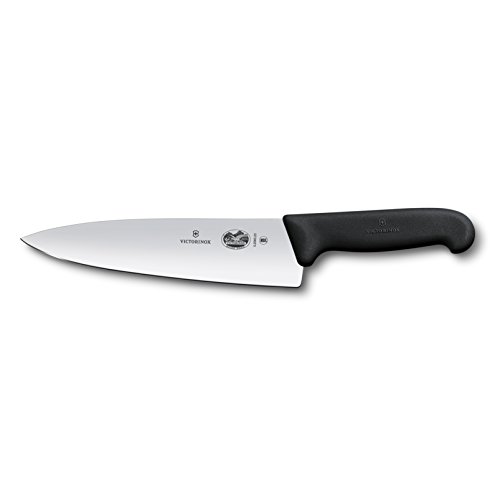
Recommended Tool: Victorinox Fibrox Pro 8" Chef's Knife This chef's knife is a workhorse for any home cook, offering exceptional sharpness and balance for all your chopping, slicing, and dicing needs, making quick work of vegetable prep for your stock. [Shop on Amazon: https://www.amazon.com/dp/B000638D32?tag=seperts-20]
The 2-Hour Stock Method: From Scraps to Sensation
This method is designed for maximum flavor extraction in a condensed timeframe, focusing on techniques that intensify taste quickly. The key is pre-roasting and proper ingredient selection.
Step 1 of 5: Roasting for Depth (The Non-Negotiable Step)
This is the single most important step for achieving restaurant-quality flavor in a short amount of time. Roasting your bones and many of your vegetable scraps caramelizes their sugars and deepens their savory notes through the Maillard reaction. This process creates hundreds of new flavor compounds that simply won't develop during a gentle simmer. Skipping this step will result in a lighter, less complex stock, more akin to a basic broth.
Actionable Checklist for Roasting:
- Preheat your oven to a high temperature, typically 400-450°F (200-230°C). High heat is crucial for rapid browning.
- Spread your bones (chicken carcasses, beef marrow bones, etc.) in a single layer on a sturdy baking sheet. Avoid overcrowding, as this will steam the bones instead of roasting them.
- Add heartier vegetable scraps like onion skins, carrot peels, leek greens, and mushroom stems to a separate baking sheet or alongside the bones if there's enough space. Delicate scraps like parsley stems or tomato ends can burn easily, so hold those back for now.
- Roast for 30-45 minutes, or until the bones are deeply browned and the vegetables are caramelized and slightly softened. Flip them halfway through for even browning. Don't be afraid of dark brown, but avoid black or burnt spots, which can make your stock bitter.
- Once roasted, transfer the bones and vegetables to your largest stockpot. Deglaze the roasting pan with a splash of water or a bit of wine, scraping up all those flavorful browned bits (fond) and adding them to the pot. This fond is pure flavor gold.
Step 2 of 5: The Sautéed Aromatics Boost
While your bones are roasting, or immediately after, you'll want to give your aromatics a quick sauté. Even if you roasted some vegetable scraps, a fresh sauté of onion, carrot, and celery (the classic mirepoix) in the stockpot itself adds another layer of foundational flavor. This step softens the vegetables, releases their essential oils, and adds a touch more caramelization directly in the pot.
- Add 1-2 tablespoons of neutral oil (like grapeseed or vegetable oil) to your large stockpot over medium-high heat.
- Add any fresh onion, carrot, and celery scraps you have (or roughly chopped pieces if you're out of scraps). Sauté for 5-7 minutes until softened and slightly caramelized. This step builds a fresh, sweet aromatic base.
- If you have any garlic cloves (peels on are fine for stock) or ginger scraps, add them in the last 2-3 minutes of sautéing to prevent burning.
- Once softened, the pot is ready for the roasted ingredients and liquid.
Step 3 of 5: Simmering Smart, Not Long
The traditional advice for stock is to simmer for many hours, even a full day. While this is true for maximum collagen extraction in some cases, for a flavorful stock in 2 hours, we focus on efficient extraction. The pre-roasting and sautéing have already done much of the heavy lifting. Now, it's about drawing out the remaining soluble flavors without over-extracting bitter compounds.
- Add all your roasted bones and vegetables to the sautéed aromatics in the stockpot.
- Add any remaining delicate vegetable scraps, such as mushroom stems, parsley stems, tomato ends, or corn cobs.
- Pour in cold water to cover all ingredients by about 2-3 inches. Using cold water is important as it slowly brings the ingredients up to temperature, allowing impurities to rise to the surface where they can be skimmed, leading to a clearer stock.
- Add your herbs and spices: a bay leaf or two, a teaspoon of black peppercorns, and any fresh herb sprigs (thyme, rosemary) you have. Avoid salt at this stage, as the stock will reduce and concentrate, making it easy to over-salt.
- Bring the pot to a gentle simmer over medium-high heat. As it heats, foam and scum will rise to the surface. Skim this off with a ladle or fine-mesh sieve. This step contributes to a clearer, cleaner-tasting stock.
- Once simmering, reduce the heat to low, so the liquid is barely bubbling. Cover the pot partially, leaving a small gap for steam to escape.
- Simmer for 1.5 hours. Avoid boiling vigorously, as this can emulsify fats and impurities, leading to a cloudy stock. A gentle simmer is key.
Step 4 of 5: The Quick Strain and Press
After 1.5 hours of simmering, your stock has extracted a significant amount of flavor. Now it's time to separate the liquid gold from the spent solids. This step needs to be efficient to maintain clarity and flavor.
- Carefully remove the largest pieces of bones and vegetables with tongs or a slotted spoon.
- Place a large colander or fine-mesh sieve over a heatproof bowl or another clean stockpot. Line the colander with a few layers of cheesecloth for extra clarity if desired, though for a quick stock, a fine-mesh sieve is often sufficient.
- Slowly and carefully pour the entire contents of the stockpot through the lined colander or sieve into the clean bowl/pot.
- Allow the liquid to drain naturally. Do not press down on the solids initially, as this can force small particles and impurities through, making your stock cloudy.
- Once most of the liquid has drained, you can gently press the solids with the back of a ladle or spoon to extract any remaining liquid. Be gentle; aggressive pressing can release bitter flavors or starch from vegetables. Discard the spent solids – they have given all they have to offer.
Step 5 of 5: Rapid Cooling and Storage
Proper cooling and storage are critical for both food safety and maintaining the quality of your homemade stock. Stock is a perishable item, and it needs to be brought out of the "danger zone" (40-140°F / 4-60°C) quickly to prevent bacterial growth.
- Rapid Cooling: The most effective way to cool stock quickly is using an ice bath. Place your pot of strained hot stock into a larger bowl or sink filled with ice water. Stir the stock occasionally to help it cool evenly. This can bring the temperature down significantly within 20-30 minutes. Alternatively, you can divide the stock into smaller, shallow containers, which will cool faster than one large pot.
- Refrigeration: Once the stock has cooled to below 70°F (21°C), transfer it to airtight containers. If there's a layer of fat on top, you can leave it; it acts as a natural seal and can be easily skimmed off once chilled and solidified. Refrigerate immediately. Homemade stock is typically good for 3-4 days in the refrigerator.
- Freezing for Longevity: For longer storage, freeze your stock. Portion it into freezer-safe containers, zip-top bags (laid flat for easy stacking), or even ice cube trays for small, convenient portions. Frozen stock can last for 3-6 months without significant loss of quality. Label containers with the date and type of stock.
Recommended Tool: OXO Good Grips Kitchen Scale While not strictly for stock, a reliable kitchen scale is invaluable for precise measurements in many cooking tasks, including portioning your cooled stock for freezing or ensuring accurate ingredient ratios when scaling recipes. [Shop on Amazon: https://www.amazon.com/dp/B079LVNB3X?tag=seperts-20]
Mastering the Nuances: Advanced Tips for Next-Level Stock
While the 2-hour method provides excellent results, a few advanced techniques can push your stock from "great" to "extraordinary." These tips focus on clarity, concentration, and safety, ensuring your homemade stock is truly restaurant-quality.
The Ice Bath Technique: Cooling for Clarity and Safety
We touched on this in the rapid cooling step, but it bears repeating and expanding upon due to its critical importance. An ice bath isn't just about food safety; it also plays a role in the final clarity and flavor of your stock. When stock cools slowly, it spends more time in a temperature range where bacteria can multiply rapidly. Rapid cooling minimizes this risk. Additionally, fast cooling helps fats separate more cleanly, allowing them to solidify on top, making them easier to skim off later. This leads to a less greasy, clearer stock.
How to Execute a Perfect Ice Bath:
- Preparation: Ensure you have a clean sink or a very large bowl that can accommodate your stockpot with room for ice and water around it.
- Setup: Fill the sink or large bowl with a generous amount of ice. The more ice, the faster the cooling.
- Placement: Carefully place your pot of hot, strained stock directly into the ice bath. Ensure the water level in the ice bath is higher than the stock level in your pot to maximize heat transfer.
- Agitation: Stir the stock periodically with a clean spoon or ladle. This helps distribute the heat and ensures even, rapid cooling throughout the liquid.
- Monitoring: Continue until the stock is below 70°F (21°C), ideally closer to refrigerator temperature (40°F / 4°C), before transferring to storage containers. This process should take approximately 20-40 minutes depending on the volume of stock.
- Safety First: Never put a large pot of hot stock directly into the refrigerator. It can raise the internal temperature of your fridge, potentially spoiling other foods and overworking your appliance.
Clarification Secrets: Achieving Crystal-Clear Stock
While a slightly cloudy stock is perfectly acceptable for most home cooking applications, a truly restaurant-quality stock often boasts impressive clarity. This is particularly important for delicate soups like consommé or when presentation matters. The primary cause of cloudy stock is often vigorous boiling, which emulsifies fats and breaks down solids into tiny particles that remain suspended. Skimming scum during simmering also helps, but for ultimate clarity, you can employ a clarification raft.
The Clarification Raft Method:
- Ingredients: For every quart of cooled stock, you'll need 1 egg white, lightly beaten, and about 1/4 cup of finely diced aromatic vegetables (mirepoix) or spent vegetable scraps from your stock.
- Process:
- Combine the cold stock, beaten egg white, and diced aromatics in a clean pot.
- Place the pot over medium-low heat and stir constantly with a whisk until the egg white begins to coagulate and form a "raft" on the surface.
- Stop stirring and allow the stock to come to a very gentle simmer. The raft will trap impurities as it cooks.
- Simmer gently for 20-30 minutes without disturbing the raft.
- Carefully create a small opening in the raft with a ladle and gently ladle out the clear stock from underneath.
- Strain the clarified stock through a fine-mesh sieve lined with several layers of cheesecloth or a clean kitchen towel.
- Result: This process yields a beautifully clear, golden stock with a pristine appearance and clean flavor.
Concentration: Reducing for Intense Flavor
Sometimes, you need a stock with an even more intense flavor profile – a demi-glace, a glaze, or just a very concentrated stock for a specific sauce. This is achieved through reduction, where you simmer the stock uncovered to evaporate water, leaving behind a more potent liquid.
Techniques for Concentration:
- Gentle Simmer: After straining and cooling your stock, return it to a clean pot. Bring it to a gentle simmer over medium-low heat, leaving it uncovered.
- Slow Evaporation: Allow the stock to simmer slowly. The longer it simmers and reduces, the more concentrated the flavor will become. Be mindful of the volume you desire.
- Skimming: As the stock reduces, you may see a little more scum or fat rise to the surface. Skim this off periodically to maintain clarity.
- Taste and Adjust: Taste the stock as it reduces. Remember, the flavors will intensify, so if you added any salt initially, be very careful not to over-reduce and make it too salty.
- Storage: Once reduced to your desired consistency and flavor intensity, cool it rapidly using an ice bath and store it in smaller portions. Highly reduced stock (glace) can be frozen in ice cube trays for convenient, powerful flavor boosts.
Beyond the Basics: Using Your Homemade Stock
Now that you've mastered the art of making restaurant-quality stock from kitchen scraps, it's time to unleash its full potential in your cooking. This isn't just a liquid; it's a flavor enhancer, a texture builder, and a secret ingredient that will make your home cooking truly shine.
Soups and Stews: The Obvious Choice
This is where your stock truly comes into its own. Forget watery, bland store-bought broths; your homemade stock provides a rich, savory foundation that will make your soups and stews deeply satisfying and complex.
- Hearty Vegetable Soups: Use a robust chicken or beef stock as the base for minestrone, lentil soup, or a hearty vegetable and barley soup. The stock adds body and umami that vegetables alone can't provide.
- Creamy Soups: For cream of mushroom, broccoli cheddar, or potato leek soup, starting with a flavorful stock ensures that even before cream is added, the soup has a rich, savory backbone.
- Stews and Braises: When braising meats like short ribs, pot roast, or lamb shanks, using your homemade stock as the braising liquid will infuse the meat with incredible depth of flavor as it slowly cooks down. The gelatin in the stock will also contribute to a luscious, rich sauce.
- Noodle Soups: Whether it's a simple chicken noodle soup or a more elaborate pho or ramen, the quality of your stock is paramount. A good stock will cling to the noodles and carry the flavor throughout every spoonful.
Sauces and Gravies: The Ultimate Thickener and Flavor Enhancer
One of the most significant differences between home cooking and restaurant cooking often lies in the sauces. Homemade stock is the cornerstone of truly exceptional sauces and gravies, providing both flavor and body.
- Pan Sauces: After searing a steak, chicken breast, or pork chop, deglaze the pan with a splash of your homemade stock. The stock will dissolve all those flavorful browned bits (fond), forming the basis of a quick, delicious pan sauce. You can then whisk in a knob of butter, a touch of cream, or a sprig of fresh herbs.
- Gravies: For holiday meals or Sunday roasts, a gravy made with homemade stock is unparalleled. Use the drippings from your roast, whisk in a roux (equal parts fat and flour), and then gradually whisk in your hot stock until you reach your desired consistency. The richness of the stock will make your gravy incredibly savory and satisfying.
- Demi-Glace: If you've reduced your stock significantly, you've essentially created a demi-glace, which is a chef's secret weapon for intense sauces. A teaspoon of this concentrated liquid can transform a simple sauce into something extraordinary.
- Roux-Based Sauces: Beyond gravy, stock is essential for classic sauces like Velouté, one of the five French mother sauces, which serves as a base for many other sauces.
Grains and Legumes: Infusing Flavor from the Start
Don't just cook your grains and legumes in plain water. Using stock is an incredibly simple yet effective way to infuse them with flavor from the very beginning, making your side dishes just as exciting as your main course.
- Rice and Risotto: Whether you're making a simple pot of white rice, a flavorful pilaf, or a creamy risotto, swapping water for stock will make a world of difference. For risotto, hot stock is continuously added, and its gelatin contributes to the creamy texture.
- Quinoa and Couscous: These grains readily absorb the liquid they're cooked in. Using stock will impart a savory depth that complements whatever you serve them with.
- Lentils and Beans: When cooking dried lentils or beans from scratch, using stock instead of water will give them a richer, more complex flavor profile, making them more satisfying as a side dish or as the base of a vegetarian meal.
- Polenta: For a truly luxurious polenta, cook it slowly with hot stock, stirring frequently. The stock will add a savory depth that pairs beautifully with cheese and other rich ingredients.
Freezing and Storing: Maximizing Shelf Life
Once you've gone to the effort of making a batch of incredible homemade stock, you'll want to ensure you can enjoy it for as long as possible. Proper storage is key to maximizing its shelf life and convenience.
- Refrigeration: As mentioned, homemade stock is best used within 3-4 days when stored in an airtight container in the refrigerator. Always label with the date.
- Freezing in Portions: This is the most practical method for home cooks.
- Ice Cube Trays: For small, concentrated portions (perfect for pan sauces or deglazing), freeze stock in ice cube trays. Once frozen solid, transfer the cubes to a freezer-safe zip-top bag. Each cube is typically 1-2 tablespoons.
- Muffin Tins: For slightly larger portions (1/2 cup or so), muffin tins work well. Again, once frozen, pop them out and store in a bag.
- Freezer-Safe Containers: For larger quantities (1-2 cups), use rigid freezer-safe containers. Leave about an inch of headspace to allow for expansion as the liquid freezes.
- Zip-Top Bags: For flat storage, pour cooled stock into freezer-safe zip-top bags, squeeze out excess air, and lay them flat on a baking sheet in the freezer until solid. This creates convenient, stackable "stock bricks."
- Labeling is Key: Always label your frozen stock with the date it was made and the type of stock (chicken, beef, mixed vegetable). This prevents freezer mystery and ensures you use it within its optimal timeframe (3-6 months for best quality).
- Thawing: Thaw frozen stock in the refrigerator overnight, or gently in a pot on the stovetop over low heat. Avoid thawing at room temperature for extended periods.
Troubleshooting Your Stock: Common Issues and Quick Fixes
Even with the best intentions, sometimes stock doesn't turn out exactly as planned. Don't despair! Most common stock issues have straightforward solutions. Here's how to troubleshoot and salvage your liquid gold.
My Stock is Cloudy: What Went Wrong?
Cloudy stock is a common complaint, but it rarely affects flavor significantly, especially if you're using it in a hearty soup or stew. However, if you're aiming for a crystal-clear consommé or a delicate sauce, clarity matters.
Common Causes of Cloudiness:
- Vigorous Boiling: The most frequent culprit. Boiling emulsifies fats and breaks down small particles of ingredients, suspending them in the liquid.
- Not Skimming Scum: Impurities that rise to the surface during the initial simmer, if not skimmed, can break down and disperse, contributing to cloudiness.
- Pressing Solids Too Hard: When straining, aggressively pressing the solids can force starch, fat, and small particles through the sieve.
- Too Many Fine Particles: Using very finely chopped vegetables or scraps, especially starchy ones, can contribute to cloudiness.
Quick Fixes for Cloudy Stock:
- Let it Settle: If your stock is only slightly cloudy, sometimes simply letting it sit in the refrigerator overnight will allow some particles to settle to the bottom. You can then carefully ladle off the clearer stock from the top.
- Re-strain with Finer Filter: Pass the cooled stock through several layers of cheesecloth or a clean kitchen towel. This will catch more fine particles.
- Egg White Clarification (The Raft Method): This is the most effective method for truly clarifying stock. As detailed in "Clarification Secrets," egg whites coagulate and trap impurities, leaving a sparkling clear liquid. This is a classic restaurant technique.
- Embrace It: For many applications (like stews, braises, or hearty soups), a little cloudiness is perfectly fine and won't impact the final dish's taste.
My Stock Lacks Flavor: How to Boost It
A bland stock is disappointing, but it's often fixable. The primary goal of stock is to provide a deep, savory foundation, so if it's falling short, you can take steps to intensify its taste.
Common Causes of Bland Stock:
- Not Roasting Bones/Vegetables: This is the biggest flavor enhancer. Skipping it means missing out on crucial Maillard reaction compounds.
- Too Much Water: Diluting the flavor by adding too much water relative to the amount of bones and scraps.
- Not Enough Aromatic Variety: Relying solely on basic onion and carrot without other savory scraps or herbs.
- Too Short a Simmer: While our 2-hour method is efficient, if your ingredients weren't prepped correctly (e.g., no roasting), 2 hours might not be enough for deep flavor.
Quick Fixes for Bland Stock:
- Reduce It: The simplest and most effective fix. Simmer the strained stock uncovered over medium-low heat to evaporate water and concentrate the flavors. Taste frequently until it reaches your desired intensity.
- Add Umami Boosters:
- Mushroom Powder: A teaspoon or two of dried mushroom powder (porcini is excellent) can add a profound umami depth.
- Tomato Paste: A tablespoon of tomato paste, especially if browned slightly in a pan before adding to the stock, adds sweetness and umami.
- Parmesan Rinds: Simmering a few parmesan rinds in the stock adds a salty, savory kick.
- Soy Sauce/Worcestershire: A small dash can add a savory punch, but use sparingly to avoid overpowering the stock.
- Re-simmer with More Scraps: If you have more roasted bones or fresh aromatic scraps (especially mushroom stems, leek greens, or even a few fresh herbs), you can add them to your existing stock and simmer for another 30-60 minutes to extract more flavor.
- Fortify with Bouillon: As a last resort, if the stock is truly lacking, a high-quality bouillon cube or paste can provide a boost, but aim for natural flavor enhancers first.
My Stock is Too Salty: Can I Fix It?
Ideally, you should never add salt to your stock until you're ready to use it in a dish. This is because stock reduces, concentrating flavors, including salt. If you've accidentally oversalted your stock, it can be tricky to fix, but not impossible.
Common Causes of Over-Salting:
- Adding Salt During Simmering: The most common mistake.
- Using Salty Scraps: While less common, some cured meats or very salty vegetable brines could theoretically contribute.
Quick Fixes for Over-Salty Stock:
- Dilute It: The easiest solution is to add unsalted water or even more unsalted stock (if you have it) to dilute the saltiness. This will also dilute the flavor, so you might need to combine this with reduction.
- Add Starch (Potatoes/Rice): Simmer a few peeled, raw potato chunks or a small handful of uncooked rice in the salty stock for 15-20 minutes. These starches can absorb some of the excess salt. Remove and discard them before using the stock. Be aware that this can slightly thicken or cloud the stock.
- Reduce and Re-dilute: If you have a lot of stock, you could reduce a portion of it to a very concentrated state (making it even saltier), then use that concentrated, very salty stock to flavor a new, unsalted batch of stock, balancing the overall salt content. This is more of an advanced technique.
- Use in Specific Dishes: If the stock is only slightly too salty, consider using it in dishes that inherently need a lot of salt or where you can adjust other ingredients to compensate. For example, a salty stock might be perfect for cooking pasta or boiling potatoes, as the excess salt will be dispersed.
Remember, prevention is always easier than a cure. The golden rule for stock is: never add salt until you're ready to use it in a recipe.
Frequently Asked Questions
Q: Can I use any kitchen scraps for stock? A: Not all scraps are created equal. Focus on aromatic vegetable scraps like onion skins, carrot peels, celery ends, leek greens, and mushroom stems. Avoid cruciferous vegetables (broccoli, cabbage, Brussels sprouts) as they can make stock bitter, and starchy potato peels can make it cloudy. Always avoid anything moldy or rotten.
Q: Do I really need to roast the bones and vegetables? A: Yes, if you want restaurant-quality stock in 2 hours, roasting is non-negotiable. It caramelizes sugars and develops deep, savory flavors through the Maillard reaction that simply won't happen during a short simmer. This step is key to intensifying flavor quickly.
Q: How long can I store kitchen scraps before making stock? A: You can collect scraps in a freezer-safe bag in your freezer for several weeks or even a couple of months. This allows you to accumulate enough variety and quantity for a flavorful batch of stock without worrying about spoilage.
Q: What's the ideal ratio of scraps to water? A: A good general guideline is about 2-3 pounds of bones and 1 pound of vegetable scraps for every 4-6 quarts of water. The goal is to cover the ingredients by 2-3 inches of cold water. Adjust based on how concentrated you want your stock to be.
Q: Can I make vegetable-only stock using this 2-hour method? A: Absolutely! The principles remain the same: roast your heartier vegetable scraps (onions, carrots, celery, mushroom stems) for depth, sauté aromatics, and simmer gently. You'll get a very flavorful vegetable stock, though it won't have the gelatinous body of a bone-based stock.
Q: Why do you recommend cold water for simmering? A: Starting with cold water allows impurities in the bones and vegetables to rise slowly to the surface as the water heats. This makes it easier to skim off the scum, resulting in a clearer, cleaner-tasting stock.
Q: My stock didn't gel. Is it still good? A: Yes, it's perfectly fine! Gelling indicates a high concentration of collagen, usually from bones with lots of connective tissue (like chicken feet or beef knuckles) and a longer simmer. Even without gelling, your stock will be rich in flavor and nutrients.
Q: Can I reuse the scraps after making stock? A: No, once you've strained your stock, the scraps have given up most of their flavor and nutrients. They are essentially spent and should be discarded or composted.
Conclusion
Making restaurant-quality stock from kitchen scraps in just two hours is a culinary superpower that every home cook can master. It's a testament to the fact that some of the most profound flavors in cooking come from simple techniques and a mindful approach to ingredients. By understanding the roles of roasting, proper simmering, and rapid cooling, you transform what might have been waste into a foundational liquid that will elevate your soups, sauces, and grains to new heights.
The three most important takeaways are: first, always roast your bones and heartier vegetable scraps to unlock deep, complex flavors in a short timeframe; second, maintain a gentle simmer and skim impurities to ensure a clean, clear stock; and third, cool your stock rapidly using an ice bath for both food safety and optimal quality. Embrace this practice, and you'll not only reduce food waste but also discover a new dimension of flavor in your everyday cooking.
Ready to take the guesswork out of cooking? Try our free cooking calculators — from recipe scaling to temperature conversion, CookAids - Your Ultimate Kitchen Assistant has every tool a home cook needs.
Knives & Prep
Victorinox Fibrox Pro 8" Chef's Knife
$40–$50 on Amazon
Affiliate link — CookAids earns a commission at no extra cost to you.
Share this article
Rate this article:
Comments
Leave a Comment
No comments yet. Be the first to share your thoughts!
About the Author
The Sarah Mitchell is dedicated to providing comprehensive, accurate cooking guides and techniques. Our articles are researched and written by experienced cooks and culinary professionals.